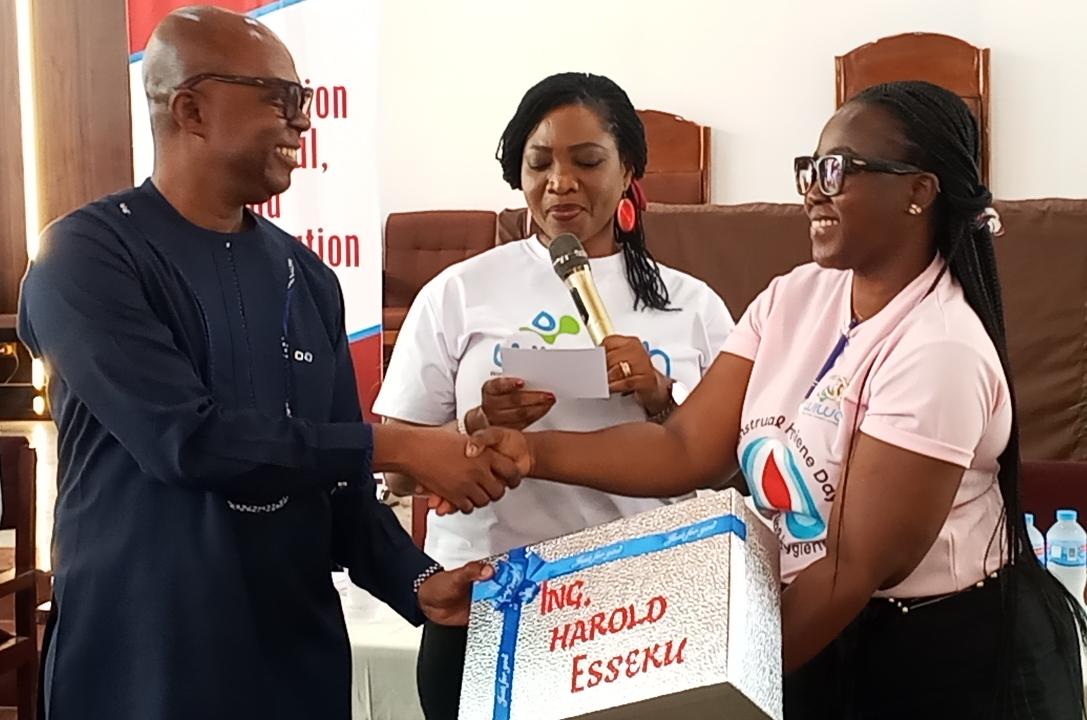

Network of Professional Women in Water Sanitation and Hygiene (WiWASH) has taken a significant step by marking Menstrual Hygiene Day with a heartfelt and essential call to action, urging the inclusion of boys in menstrual education in a bid to dismantle the pervasive period stigma that affects many schools.
The organization emphasizes that the involvement of male supporters is crucial not only for maintaining the dignity of girls but also for empowering them to stay in school, unrestricted by societal taboos.
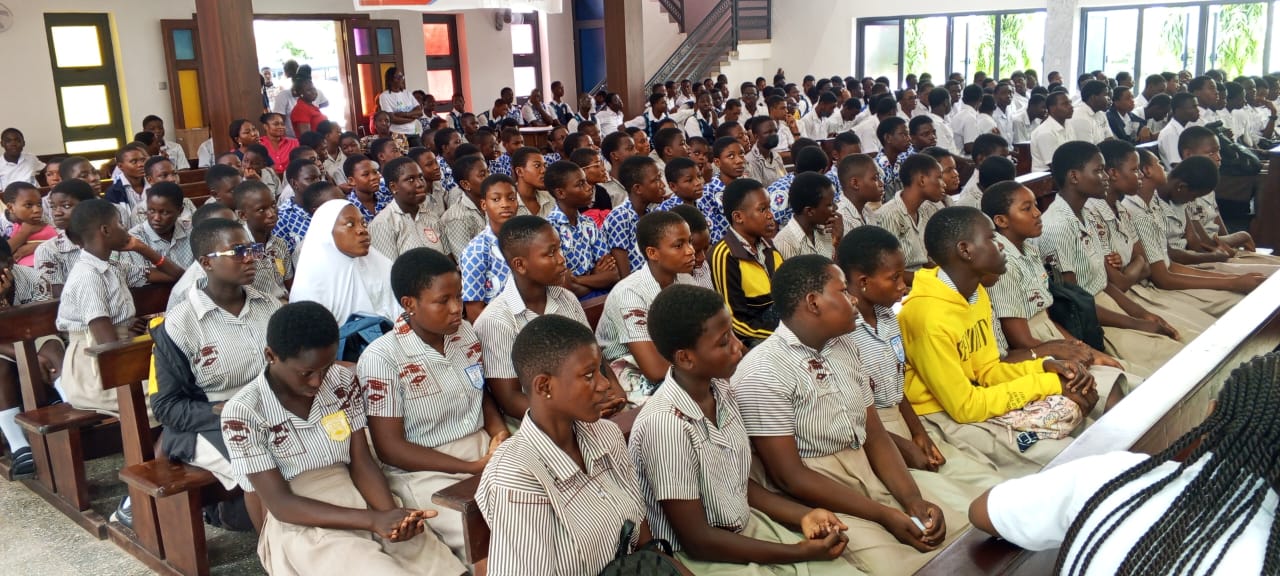
During a compelling address at St. Thomas Aquinas Secondary School on June 4, WiWASH President Ms. Solace A. M. Akomeah highlighted the importance of their annual initiative, which is typically held on May 28.
This event is designed to specifically benefit girls in underprivileged schools, where WiWASH has traditionally distributed vital hygiene products alongside crucial menstrual education.
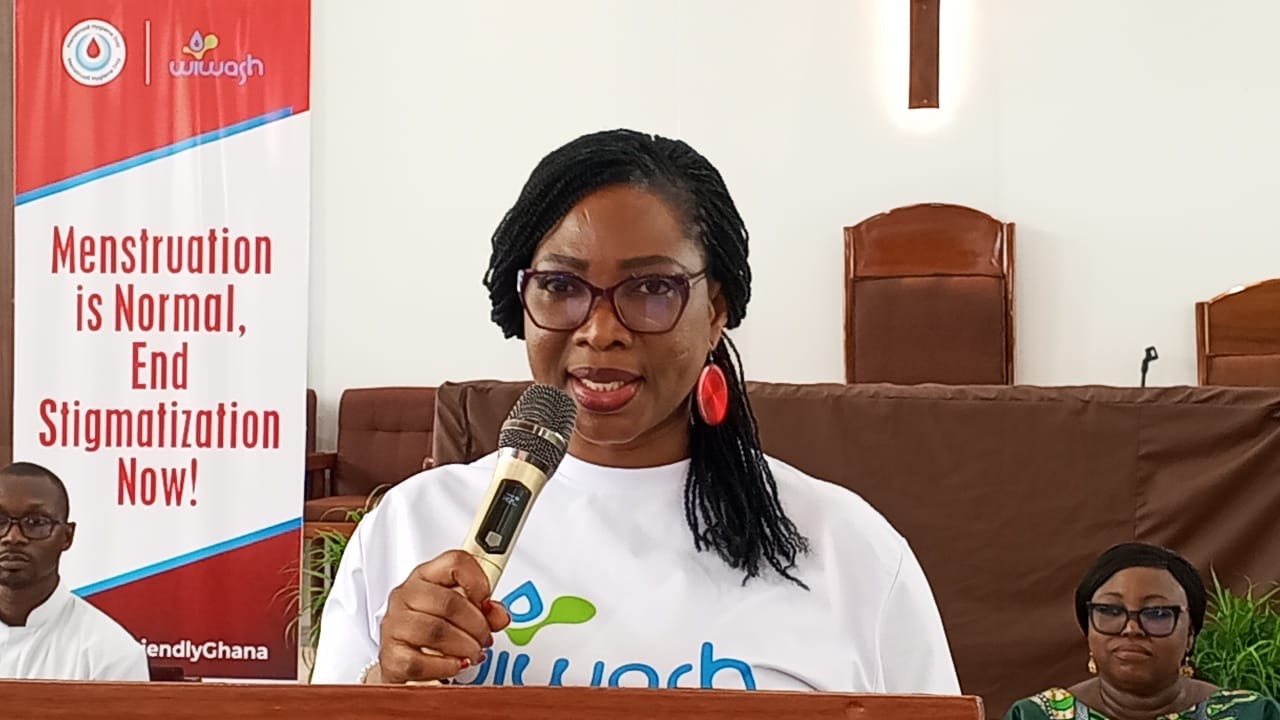
However, this year marks a notable shift in approach as the organization expands the conversation to actively involve boys, recognizing their integral role in fostering an environment of understanding and support.
We annually visit these deprived schools to commemorate this important day, during which we donate essential hygiene items and impart valuable education on menstrual health," Ms. Akomeah explained passionately.
But this year, we have a different narrative; we are making a conscious effort to include boys in this dialogue. It is vital to educate them about their responsibilities in supporting women and girls in effectively managing their menstrual health."
Ms. Akomeah elaborated on the detrimental effects of stigma and teasing that often compel girls to remain at home during their menstrual cycles.
When a girl experiences her period and withstands an unfortunate moment of staining, it is not uncommon for some boys to mock her; this ridicule significantly diminishes her self-esteem and confidence. The psychological toll of this teasing can result in reluctance to attend school, creating a situation where, by staying home, she falls behind in her studies and misses out on vital educational opportunities, leading to a cycle of disadvantage for women.”
Moreover, Ms. Akomeah emphasized that while WiWASH has previously supported campaigns, such as “Don’t Tax My Pad,” and expressed their approval of the government's recent initiative to distribute free menstrual hygiene supplies to educational institutions, such efforts alone are insufficient.
"It is imperative that all Ghanaians recognize the critical need for adequate facilities in schools that lack proper infrastructure," she stressed. "Many schools are devoid of basic necessities such as toilets, clean water, and changing rooms for girls. When a girl menstruates and faces the unfortunate situation of soiling herself, she often lacks a safe and private place to change.
This lack of proper conditions transforms the simple act of attending school into an overwhelming burden."
Consequently, Ms. Akomeah urged non-governmental organizations, government institutions, and concerned individuals alike to come together and contribute to improving the infrastructure of deprived schools by providing essential resources like toilets, clean water, and designated changing areas. These facilities are crucial for enabling effective menstrual health management for girls.
Drawing from a personal anecdote, Ms. Akomeah illustrated the impactful role boys can play in supporting menstruating individuals. She recounted a touching story whereby a considerate boy, equipped with proper information about menstruation, stepped in to assist his sister during her first menstrual experience.
Thanks to his understanding and knowledge, he was able to help her navigate this critical phase with confidence, ensuring she was well prepared and able to attend school instead of being held back by anxiety and embarrassment.
"Boys possess the ability to make a tangible difference," she affirmed. "They can extend their support to their younger sisters at home and their female peers in school, facilitating a smoother experience.
These simple acts of kindness and understanding are ways in which boys can contribute positively to menstrual health management."
Sompaonline.com/Bismarck Oppong