
Lime and Ginger
In Accra's bustling streets, a successful entrepreneur's restaurant thrives, partly thanks to a politician who secured a crucial loan. This tale is familiar in Ghana, where politics and business intersect. Politicians wield significant influence, shaping the economy with tax breaks and government contracts. But what's the cost of this influence? The relationship between politicians and business leaders is complex, with some arguing they provide essential support, while others claim it hinders Ghana's economic potential. The stakes are high, and the consequences are farreaching. Can Ghana balance politics and business?
The Business of Politics
Ghana's economy is a complex mix of contrasts, with rich resources and a growing middle class, yet its private sector's hobbled by challenges. Politicians shape laws, oversee policies, and allocate resources, creating a system where relationships often trump rules. As key stakeholders, they wield significant influence, per the stakeholder theory, affecting business objectives. This interplay has far-reaching consequences, from cronyism to uncertainty, but also opportunities for growth and reform. Can Ghana harness its private sector's energy while reining in political influence?
The Rules of the Game
Ghana's government policies are a mixed bag for businesses. Initiatives like tax incentives and subsidies support startups, while bureaucratic red tape and inconsistent policies hinder growth. The 1D1F program has created opportunities, but its implementation's been criticized. Registering a business is cumbersome, and corruption undermines trust. Some policies have had significant impact. The single spine oil distribution system's culling boosted competition, but frequent tax policy changes create uncertainty. Current initiatives include the 24-Hour Economy Policy and Tax Reforms, aiming to increase productivity and reduce financial burdens. The Ghana Infrastructure Plan and FEED GHANA Program focus on development and agriculture. Examples like Edwumawura Rice show government support can work, but sustainability's a concern. Can policymakers balance regulation and freedom for businesses to thrive?
The Power Players
In Ghana, the lines between politics and business are often blurred. Politicians and business leaders interact, shaping the economic landscape. Their relationships can be mutually beneficial but raise concerns about cronyism and unequal access. Politicians wield significant influence, awarding government contracts, shaping regulatory decisions, and providing access to finance. This can lead to state capture, cronyism, and revolving doors, undermining fair competition and transparency. Examples of this dynamic include pharmaceutical companies that have benefited from government support, such as favorable tax treatment or lucrative contracts, under successive governments in Ghana. Similarly, in Nigeria, Aliko Dangote's success was bolstered by backing from former President Olusegun Obasanjo, illustrating the impact of political connections on business outcomes. Can Ghana balance business growth with transparency and fairness for all?
The Cost of Interference
Ghana's private sector has long grappled with the consequences of political interference. Corruption, cronyism, and uncertainty are just a few of the challenges businesses face. When politicians use their influence to shape business decisions, it can lead to an uneven playing field, stifling competition and innovation.
Some of the key impacts of political interference on Ghana's private sector include corruption, where politicians' influence can lead to corrupt practices like bribery and embezzlement, increasing business costs and undermining trust in institutions. Cronyism is another issue, where favoritism towards connected businesses limits opportunities for others, stifling competition and innovation. Uncertainty also reigns, with frequent policy changes and regulatory uncertainty making it difficult for businesses to plan and invest for the long term.
Examples of how this has affected specific industries or businesses include the banking sector, where the collapse of several banks in Ghana was linked to political interference and poor governance, highlighting the risks of cronyism and corruption. The energy sector has also suffered, with political influence, contributing to the sector's challenges, including debt accumulation and supply disruptions. In agriculture, the government's involvement has sometimes led to inefficiencies and market distortions, affecting businesses and farmers.
The cost of interference is significant. It undermines Ghana's business environment, discourages investment, and limits economic growth. For instance, while Ekujuice, a locally produced fruit juice, has benefited from government support, others in the sector have faced challenges due to policy inconsistencies and corruption. Ghana's private sector needs a level playing field to thrive. Can policymakers and business leaders work together to reduce political interference and promote a more transparent and competitive business environment?
A New Deal for Ghana
Promoting a healthier relationship between politics and business in Ghana requires a multifaceted approach. Policymakers should strengthen and insulate institutions from political interference and provide strong regulatory frameworks to prevent corruption and ensure transparency. Implementing policies that promote competition and level the playing field is also crucial. Engaging with business leaders and citizens to understand their needs and concerns can help policymakers make informed decisions. Business leaders should prioritize transparency and accountability in their operations, invest in corporate social responsibility and community development, and advocate for policies that promote fair competition and good governance.
Citizens and civil society organizations also have a role to play. They should demand accountability from politicians and business leaders, support businesses that prioritize transparency and fairness, and engage in informed discussions about Ghana's economic development. For instance, establishing an independent anti-corruption agency to investigate and prosecute corruption cases could help restore trust in institutions. Creating a business ombudsman to resolve disputes and promote fair competition could also help level the playing field.
The Bottom Line
Ghana's private sector is crucial to the country's economic growth and development. However, the relationship between politics and business is complex and often fraught with challenges. By understanding the impact of political interference and working together, policymakers, business leaders, and citizens can promote a healthier and more sustainable business environment. As Ghana looks to the future, the question remains: Can we create a business environment that promotes transparency, fairness, and sustainable growth for all stakeholders?
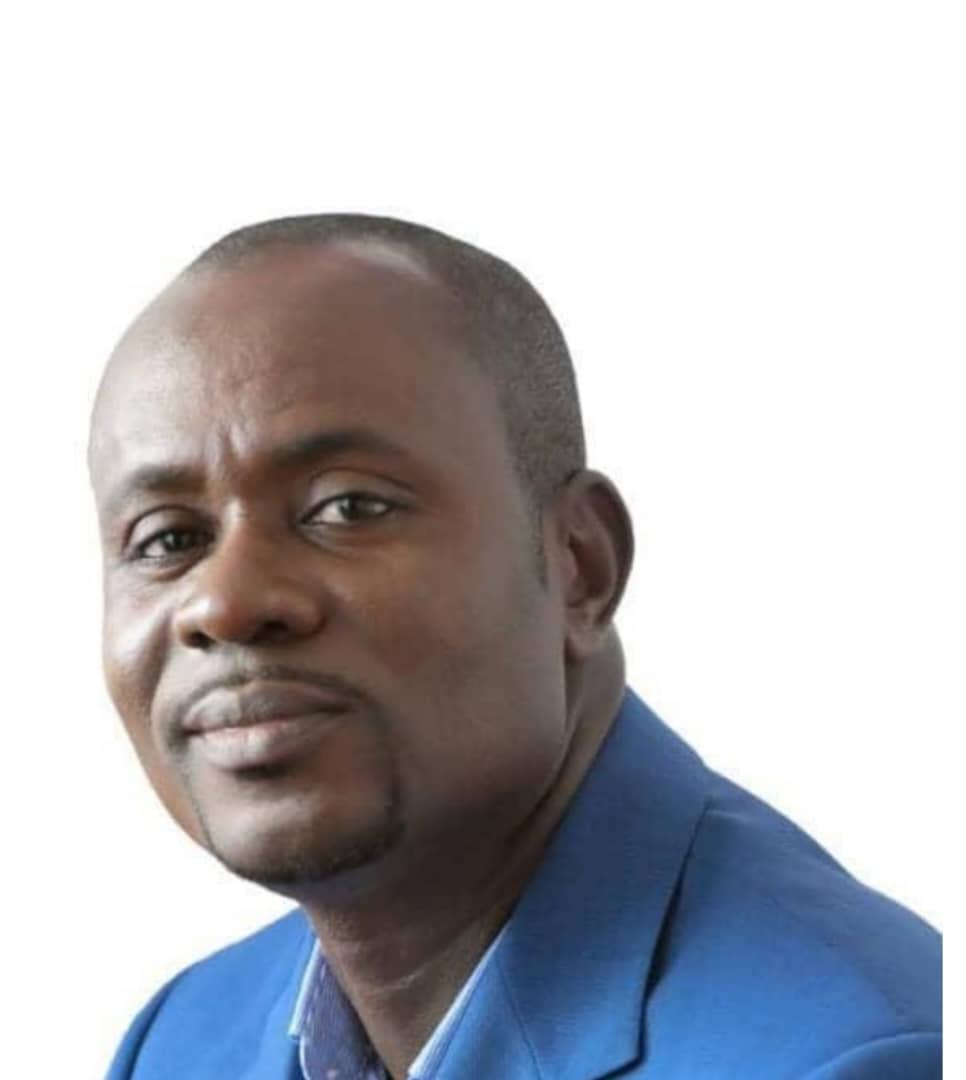
Written by Dr. Ebenezer Arthur Duncan, Lecturer at University of Professional Studies, Accra, Marketing Department
Sompaonline.com/Dr. Ebenezer Arthur Duncan