


 Hot News
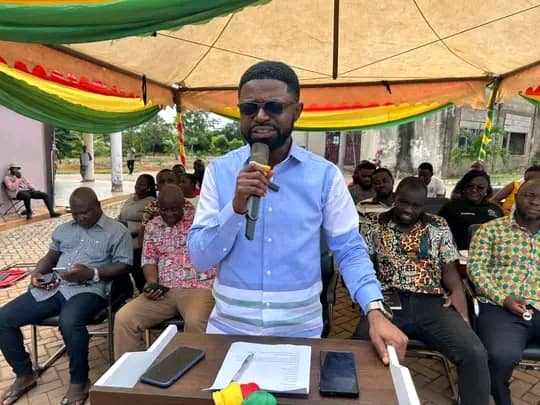
Water crises, overcrowded KG ends at Atwima Mponua as DCE commissions new projects
 Nov 19 2026
 10
The Atwima Mponua District Assembly in the Ashanti Region has commissioned and handed over a number of life-changing educational and sanitation projects aimed at improving access to quality education, safe drinking water and proper sanitation in beneficiary communities across the district.
The projects include a newly constructed Kindergarten (KG) block at Akotaa, 11 mechanised boreholes distributed across various communities in the district, and a modern toilet facility at the newly relocated Nyinahin market.
The interventions form part of the Assembly's broader development agenda to address critical infrastructure deficits, improve the living conditions of residents and promote sustainable community development across the district.
The colourful commissioning and handing-over ceremony brought together the District Chief Executive (DCE), Hon. Issahak Ibrahim; the District Coordinating Director; Assembly staff; members of the Nananom Traditional Council; community leaders; teachers; parents and pupils, as well as other stakeholders who could not hide their joy over the projects.
Speaking to the media after the ceremony, the DCE, Hon. Issahak Ibrahim, said the projects demonstrated the Assembly's commitment to responding to the developmental needs of communities, particularly in the areas of education, water supply and sanitation.
"These projects show our commitment to responding to the developmental needs of our people, especially in education, water and sanitation. We promised to bring development closer to the people, and today we are delivering on that promise,"he stated.
He explained that the newly constructed KG block at Akotaa would help address overcrowding in the existing learning environment and provide young children with a more conducive atmosphere for effective teaching and learning.
According to him, providing appropriate educational infrastructure at the kindergarten level was essential to building a strong foundation for children's academic development.
He noted that the facility would not only improve the physical learning environment but also enhance the delivery of early childhood education by providing pupils and teachers with a more comfortable and organised space.
"We believe that when we give our children a good foundation at the KG level, we are building a strong future for them. This block will ease congestion and give teachers and pupils a comfortable place to teach and learn," he said.

He added that government and the Assembly will continue to invest in basic education because children are the future leaders of the district and the nation.
On the water projects, Hon. Ibrahim said the 11 mechanised boreholes would significantly improve access to safe and hygienic drinking water in beneficiary communities.
He observed that access to potable water remained a critical component of public health and community development, adding that the Assembly was committed to supporting initiatives that would reduce the difficulties residents encounter in accessing reliable water sources.
He said for years, many communities in the district struggled to get clean water, with women and children walking long distances to fetch water from streams and other unsafe sources.
"Access to clean water is life. These 11 boreholes will reduce the stress our people go through to get water and help improve their health. Women and children will no longer walk long distances for water," he stressed.
He further noted that the boreholes will help reduce water-borne diseases such as cholera, typhoid and diarrhoea, and improve school attendance, as children will no longer spend hours searching for water.
The DCE further indicated that the provision of the modern toilet facility at the newly relocated Nyinahin market was intended to improve sanitation conditions and provide market women, traders and other users with a decent place of convenience.
He said the facility would help discourage open defecation and promote hygienic practices within the busy commercial centre.
Hon. Ibrahim stressed that improving sanitation infrastructure was necessary to protect public health, safeguard the environment and ensure that the relocated market operated under acceptable hygienic conditions.
"The market is a busy place and we cannot allow poor sanitation to affect the health of traders and customers. This toilet facility will promote cleanliness and protect public health," he noted.
He added that a clean market will attract more traders and customers, thereby boosting economic activities in Nyinahin and its surrounding communities.
The DCE, however, urged the beneficiary communities and relevant stakeholders to develop a strong maintenance culture to ensure that the facilities served their intended purposes for many years.
He cautioned that the sustainability of development projects depended not only on the resources invested in their construction but also on the willingness of beneficiaries to take responsibility for their upkeep.
According to him, proper maintenance would prevent premature deterioration of the facilities and reduce the financial burden on the Assembly.
He explained that when communities take good care of projects provided for them, the Assembly could redirect funds that would otherwise be spent on repairs towards other pressing developmental needs across the district.
Leave a Reply
Cancel Reply
Popular News


VOTE FOR CHAMPION

Who Wins NPP National Chairman
Recent News

Gallery


Recent Comment
-

I want you to help me get money, I want to pay my bills in school Thank you

-
Dr. Bawumia is ashamed of himself that is he making those unguided comments
-
Is this real? Because someone of us are novices we don't much about the operations tenet. Good morning