


 Hot News
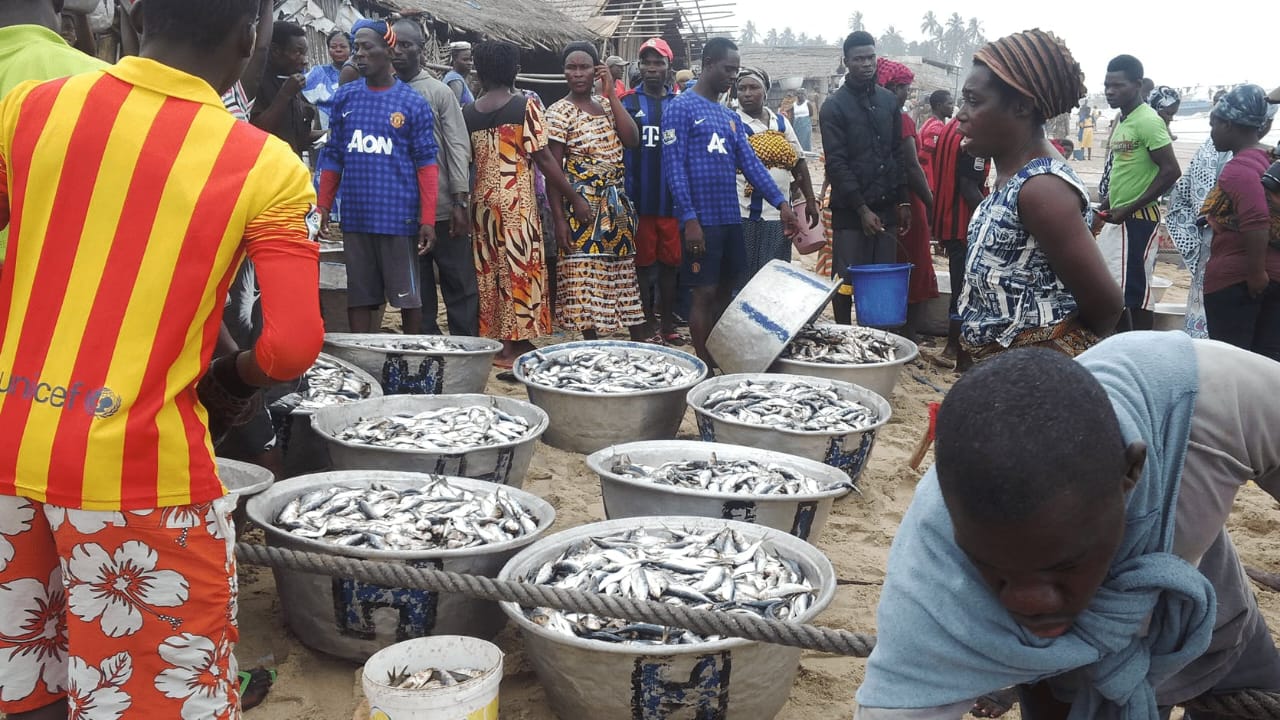
Recounting Losses: The Cost of Light Fishing to Fish Processors and Fishermen
 Aug 13 2026
 420
420
The growing practice of light fishing along Ghana's coastline is not only depleting the country's marine resources but is also emerging as a major socio-economic driver of irregular migration among women in fishing communities, as many struggle under the weight of mounting debts and declining livelihoods.
Women engaged in fish processing and trading have recounted painful experiences of financial hardship brought on by dwindling fish catches, blaming the persistent use of light fishing and other unsustainable fishing methods for pushing many of their colleagues to seek survival through dangerous migration routes elsewhere.
These concerns were raised following a tour to various landing beaches in the Central Region including Moree, Elmina and Cape Coast (Abrofo Mpoano), with support from Journalists for Responsible Fisheries' and Environment (JRFE).
Fishers highlighted the far-reaching consequences of illegal fishing practices on women who form the backbone of Ghana's post-harvest fisheries sector.
According to the women, fish processing and trading have become increasingly difficult as fishermen return from sea with significantly smaller catches than in previous years. The scarcity of fish has led to intense competition among buyers, forcing traders to pay exorbitant prices while making little or no profit from subsequent sales.
"We depend entirely on fish landed at the beaches to feed our families and keep our businesses alive," one fish processor shared. "Today, we borrow money just to buy fish, but after selling, we cannot recover our capital. The debts keep increasing."
Light Fishing Worsening the Crisis
Fishers attributed much of the decline in fish stocks to the continued use of light fishing, a prohibited practice in which powerful lights are used at night to attract fish before harvesting them in large quantities.
According to fishers, the method disrupts the natural breeding patterns of fish, captures juvenile species before they mature, and accelerates the depletion of marine resources.
As fish stocks continue to decline, artisanal fishers spend longer hours at sea while returning with smaller catches, directly affecting women who rely on those catches for their livelihoods.
The women noted that every reduction in fish landings translates into reduced business opportunities, lower household incomes, and growing financial insecurity.
Debt Becoming a Way of Life
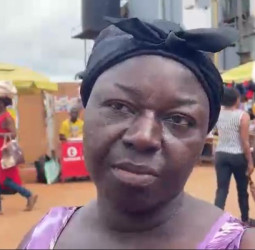
Ama Nyamekyera, a 36-year-old fish fish processor of Moree, explained that surviving in the current business environment has become almost impossible without borrowing.
She said they obtain credit from canoe owners, fish suppliers, savings groups, microfinance institutions, or informal money lenders, even though she hasn't personally went in for one thanks to her fisherman husband and family who for years has been into fish processing. However, she observed that declining profits have made it increasingly difficult to honour repayment schedules by colleagues who depends on credit.
The fish processor with over 15 years in the fishing industry revealed that accumulated debts have forced most of her colleagues to sell household assets, withdraw children from school temporarily, postpone healthcare, and reduce family meals.
Others described living under constant pressure from creditors, creating emotional stress and uncertainty about their future.
"We are working harder than before but earning less," another female fisher lamented. "Every day we think about how to pay those we owe."
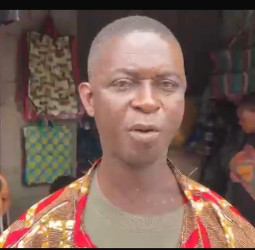
Joel Eyifah, a 40-year fisherman with about 20 years working experience, equally shared the ordeal those who doesn't engage in light fishing but resort to 'man-power' faces in effect to colleagues engaged in the menace.
Just as women fishers turn to recoup losses (debt) in effect to light fishing, Mr. Eyifah addressed that fisherfolks who resort to the natural means of fishing, encounters similar fate with little or no fish landing after a hard days work, coupled with destroyed nets, wasted fuel and effort.
He cited that the practice of light fishing ends up driving fishes away after one catch, making it difficult for other canoes on sea within that particular portion to also land a catch forthwith.
Irregular Migration Emerging as an Escape
With livelihoods collapsing, many women said irregular migration has become an option that some members of their communities are considering in hopes of escaping persistent poverty and indebtedness.
Fishers explained that stories of relatives and friends working abroad often encourage others to leave, believing they can secure better-paying jobs to repay debts and support their families.
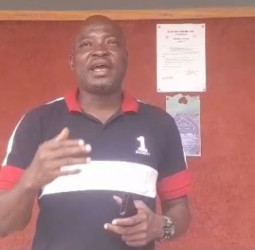
However, migration expert, Ruth Mansah Mensah of GIZ-Ghana in an interaction, warned that many women who travel through irregular channels over internal and external forces become exposed for exploitation, modern slavery, human trafficking, forced labour, gender-based violence, and other forms of abuse. Elaborating that the desperation driving their departure makes them highly vulnerable.
She opined that migrants, especially those in debt, are at high risk of being forced into exploitative labor or debt bondage as a form of modern slavery, as the search for better work can instead lead to coerced involvement into trades they never intended to join.
Ms. Mensah further urged women to seek accurate information about safe migration pathways while advocating for stronger local economic opportunities that reduce the need to migrate under risky conditions.
Women's Livelihoods at Stake
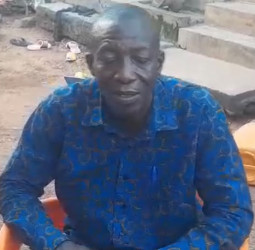
Prof. Isaac Okyere of the Africa Ocean Institute of the University of Cape Coast (UCC), has observed that women are among the hardest hit by declining fisheries because they dominate fish smoking, drying, processing, transportation, and marketing activities across Ghana's coastal communities.
When fish supplies diminish, the impact extends beyond individual traders to affect entire households, children's education, local markets, and food security.
Prof. Okyere suggested that unless decisive measures are taken to restore fish stocks, more women could be trapped in cycles of debt, unemployment, and migration.
Calls for Stronger Action
Fishers have made a clarion call on the Government of Ghana, fisheries regulators of the Fisheries Commission, and law enforcement agencies to intensify efforts against light fishing and other destructive fishing practices through stricter monitoring, enforcement of Ghana's newly enactment Fisheries Law and Aquaculture Act beyond political interference, and prosecution of offenders.
They also urged traditional authorities, fisher associations, community leaders, and civil society organisations to strengthen public education on the long-term consequences of unsustainable fishing practices.
Beyond enforcement, came the advocacy for expanded access to affordable credit, business support services, vocational training, and alternative livelihood programmes for women in fishing communities.
Expert suggest investments in aquaculture, fish value addition, agro-processing, and other sustainable enterprises capable of generating stable incomes while reducing dependence on dwindling marine resources.
Protecting the Blue Economy
As experts stress that preserving Ghana's fisheries is not only an environmental responsibility but also an economic necessity for millions of people whose livelihoods depend on the sector.
The UCC lecturer noted that combating light fishing would contribute to rebuilding fish stocks, improving household incomes, strengthening food security, and reducing the economic pressures that often compel women to undertake dangerous irregular migration journeys.
He opined that Ghana since the early 1990-2000 started to over-fish its fish stock. A development which now makes it difficult for fishermen to land bountiful catches as before. Adding that the persistent practice of illegal fishing practices which light fishing takes a centre stage will totally collapse the country's fish stock, thus the need for proactive measures to curb the illegality head-on.
Media’s Role in Driving Solution
The media has a critical role to play in addressing the growing link between light fishing, mounting debt, economic vulnerability, and irregular migration among Ghanaian female fishers.
Against this backdrop, the media must move beyond simply reporting the consequences of illegal fishing and irregular migration to become an active platform for solution-oriented journalism. Through sustained investigative reporting, the media can expose the underlying drivers of the crisis, amplify the voices of affected women, scrutinize gaps in enforcement, and highlight practical interventions capable of restoring livelihoods and reducing migration pressures.
The media should further create platforms where female fishers, policymakers, traditional authorities, fisheries experts, civil society organisations, financial institutions and migration experts can engage on practical solutions. Giving affected women a stronger voice in these conversations can help ensure that interventions respond to the realities they face.
Importantly, reporting on irregular migration should avoid sensationalism and stigmatisation. Women who migrate because of economic hardship should be treated with dignity, while stories should carefully examine the structural conditions that influence their decisions. Such reporting can help audiences understand that irregular migration is often connected to a combination of economic vulnerability, limited livelihood opportunities, indebtedness and declining resources.
Solution journalism can also track government and development interventions after they are announced to establish whether promised livelihood programmes are reaching women in fishing communities, whether beneficiaries are receiving the necessary support, and whether such interventions are producing sustainable results.
For many women in Ghana's fishing communities, the sea has long represented hope, opportunity, and survival. Today, however, declining catches and growing debts have transformed that hope into uncertainty.
Their stories serve as a compelling reminder that protecting Ghana's marine resources is inseparable from protecting the livelihoods, dignity, and future of the women who sustain the fisheries value chain.
Addressing light fishing, is therefore not only about conserving fish—it is about restoring lives, strengthening communities, and ensuring that economic desperation does not continue to drive vulnerable women towards irregular migration.
Sompaonline.com/Eric Annan
Leave a Reply
Cancel ReplyRelated News


Popular News

VOTE FOR CHAMPION

Who Wins NPP National Chairman


Recent News
Gallery


Recent Comment
-

tgqZAUZcAUYbCspuboijcs
