


A renewed push to revive cinema culture in Ghana has ignited thoughtful discussion among industry voices, as stakeholders weigh the future of movie-going in a rapidly expanding urban landscape.
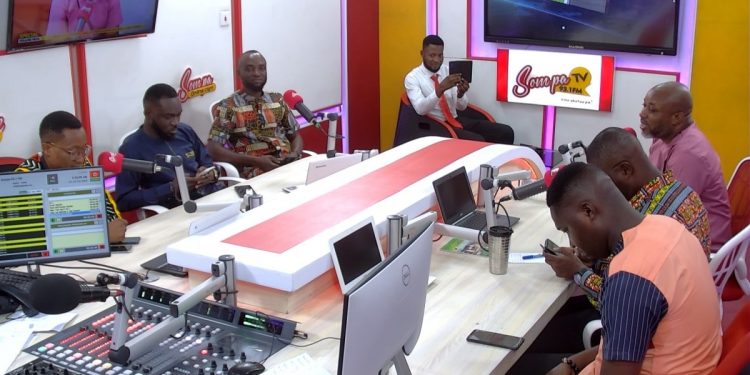
On Sompa Delight, a popular entertainment show on Sompa 106.5 FM hosted by Abena Ruthy, the conversation took center stage with regular guest Uncle Fred and media personality Rev. Eddie Eyison offering both support and caution regarding the efforts of the Ghana Film Authority to reintroduce cinema culture across the country.
A Good Idea, But Needs Rethinking
Both guests acknowledged that the move to revive cinema is timely and necessary, especially as Ghana’s creative arts industry continues to grow. However, they emphasized that the approach must reflect current realities.
Rev. Eddie Eyison noted that many of the historic cinema halls that once defined Ghana’s entertainment scene are now privately owned or repurposed, making it difficult for any nationwide revival to rely on them.
Uncle Fred added that Accra has expanded significantly, stretching far beyond its original boundaries. As a result, expecting audiences to travel long distances to centralized cinema locations may not be practical.
“If cinema is coming back, then it must come closer to the people,” they stressed.
They suggested that building or partnering to create cinema spaces within communities and residential hubs could be a more sustainable way to reignite interest.
From Gold Coast Screens to National Pride
To fully appreciate the current conversation, the guests took listeners on a journey through the history of cinema in Ghana.
Cinema in the then Gold Coast dates back to the early 1900s, when British colonial authorities introduced film primarily as a tool for education and communication. Through the work of the Colonial Film Unit, mobile cinema vans traveled from town to town, projecting films in open spaces and narrating them in local languages.
By 1948, the establishment of the Gold Coast Film Unit marked a shift toward local storytelling. Following independence in 1957 under Kwame Nkrumah, film became a powerful instrument for nation-building, eventually leading to the formation of the Ghana Film Industry Corporation.
The 1960s through the 1980s saw the rise of iconic cinema houses such as Rex Cinema and Opera Cinema, which became social hubs where Ghanaians gathered to enjoy films from around the world and local productions alike.
Decline and the Rise of Home Entertainment
However, by the late 1980s and 1990s, cinema culture began to fade. Economic challenges, coupled with the rise of television, VHS tapes, and video clubs, shifted movie consumption from public spaces to private homes.
The once vibrant cinema halls either closed down or were converted into other businesses, leaving a gap in communal film experiences.
A New Chapter for Ghanaian Cinema
Today, the Ghana Film Authority is seeking to revive that communal magic, encouraging cinema development as part of a broader strategy to grow the creative economy.
Yet, as highlighted on Sompa Delight, the path forward may require innovation rather than replication of the past.
With urban expansion, changing lifestyles, and digital competition, stakeholders believe that the future of cinema in Ghana lies in:
Decentralized cinema spaces
Community-based viewing centers
Strategic partnerships with private property owners
Integration with modern technology and streaming culture
Bringing Cinema Back to the People
The conversation ultimately pointed to one clear message: cinema in Ghana can rise again—but it must evolve.
As Rev. Eddie Eyison and Uncle Fred emphasized, the goal should not only be to bring cinema back, but to bring it closer to the people.
If executed thoughtfully, Ghana may once again witness packed halls, shared laughter, and the unique collective experience that only cinema can offer.
For many, this is more than entertainment—it is a revival of culture, connection, and national storytelling.
Sompaonline.com/Editorial Desk







 Sompaonline.com offers its reading audience with a comprehensive online source for up-to-the-minute news about politics, business, entertainment and other issues in Ghana